If you’ve recently moved to Florida or are building a home here, you may be surprised to notice something missing from many houses: eavestroughs, also known as gutters. In many parts of the country, gutters are standard—but in Florida, they’re often left out. Why is that? And when should you consider adding them? Let’s take a closer look.
Why Florida Homes Often Skip Gutters
1. Flat Terrain and Sandy Soil
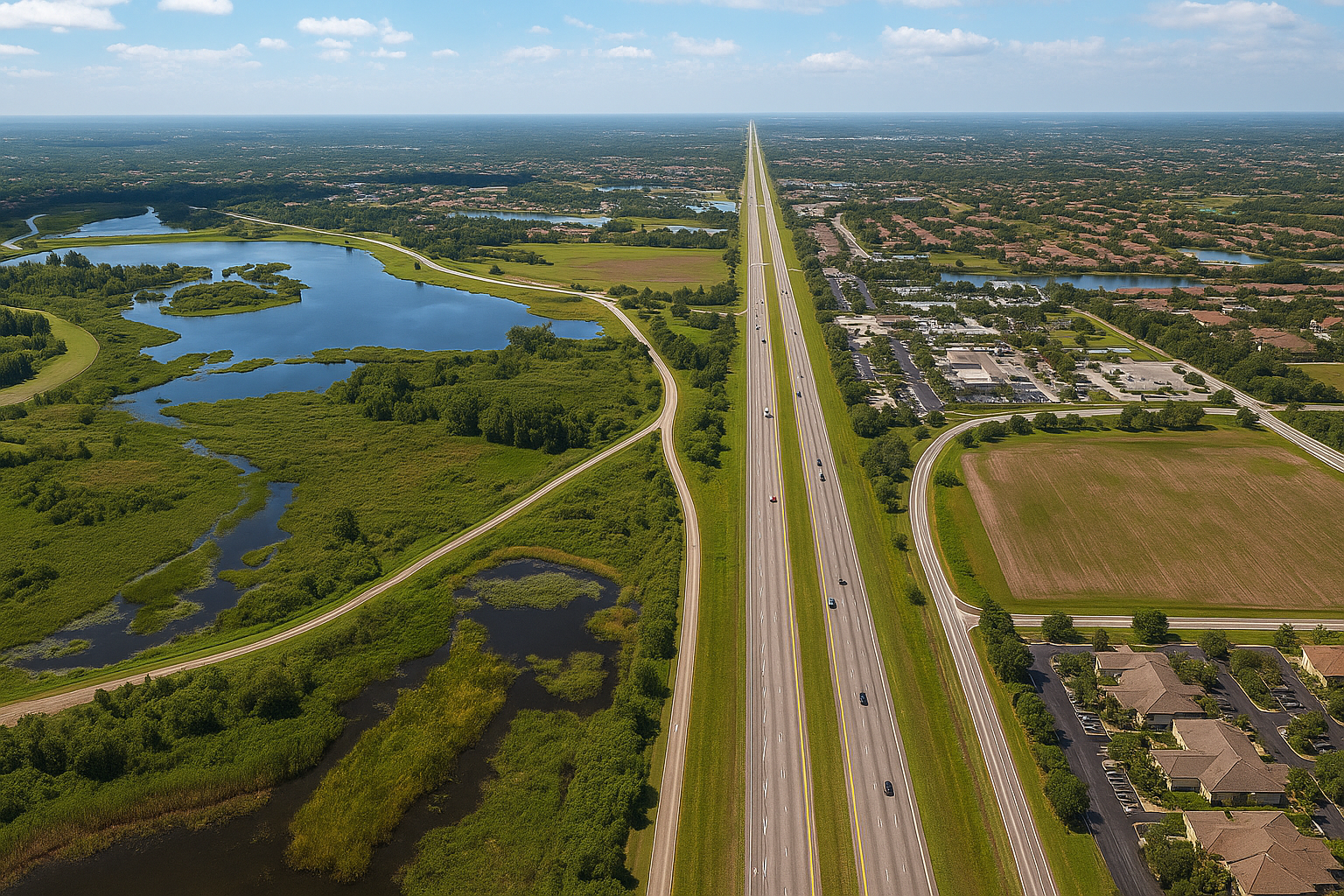
Florida’s soil, especially in central and southern parts of the state, is sandy and drains water quickly. Combined with the flat topography, water tends to soak into the ground or spread out, rather than rushing down slopes as it would in hillier states.
2. Slab-on-Grade Construction
Most Florida homes are built on concrete slabs rather than basements or crawl spaces. Since there’s no basement to flood, water pooling near the foundation is often seen as less of a threat—especially in well-graded yards.
3. Short Overhangs and Soffits
Many Florida homes have minimal roof overhangs, so adding gutters can be challenging or considered less effective. In coastal homes, reducing roof projections also helps reduce wind uplift during hurricanes.
4. Cost and Maintenance
In areas where gutters aren’t code-required, some homeowners choose to save money and skip them altogether. Others avoid them to eliminate the maintenance that comes with cleaning out leaves and debris, especially in areas without large trees.
Why You Might Need Gutters in Florida
While many Florida homes do fine without gutters, there are situations where gutters are a smart investment:
1. Poor Yard Drainage
If water pools near your home during rainstorms, gutters can help direct water away from the foundation, preventing erosion or moisture intrusion.
2. Landscape Protection
Gutters prevent heavy water runoff from washing away mulch, damaging plants, and leaving dirt splashes on your siding.
3. Staining and Damage
Without gutters, water running off your roof can cause staining on walls, sidewalks, or windows, especially with tile roofs or homes under trees.
4. Roof Design
Homes with multiple roof levels, valleys, or large sections of roof sloping toward one side may see a heavy concentration of runoff. Gutters help manage the volume more effectively.
5. Code Requirements in Some Areas
Some Florida municipalities or homeowners associations do require gutters, especially in areas where flooding or erosion is a concern. Always check local building codes or HOA guidelines.
Alternatives to Full Gutter Systems
If you want the benefits of water management without full eavestrough installation, consider:
- Rain diverters or splash guards
- French drains to move water underground
- Strategic grading and landscaping
- Rain barrels or cisterns for water collection
Final Thoughts
Florida homes often skip eavestroughs because of sandy soil, flat land, and slab foundations—but that doesn’t mean gutters aren’t useful. In the right conditions, they can protect your foundation, landscaping, and siding from water damage and erosion.
If your home experiences water pooling, soil erosion, or dirty splash marks, it may be time to consider adding gutters—or at least talking to a local contractor to assess your drainage needs. In Florida, the decision isn’t one-size-fits-all—but making the right choice can save you from expensive repairs later on.