Windows play a big role in the comfort, appearance, and safety of your Florida home. But here in the Sunshine State, windows are more than a design feature—they’re also a critical defense against hurricanes, extreme heat, and humidity. Understanding the different types of windows used in Florida, especially impact-resistant windows, can help you make informed decisions whether you’re building, renovating, or buying a home.
Common Types of Windows in Florida
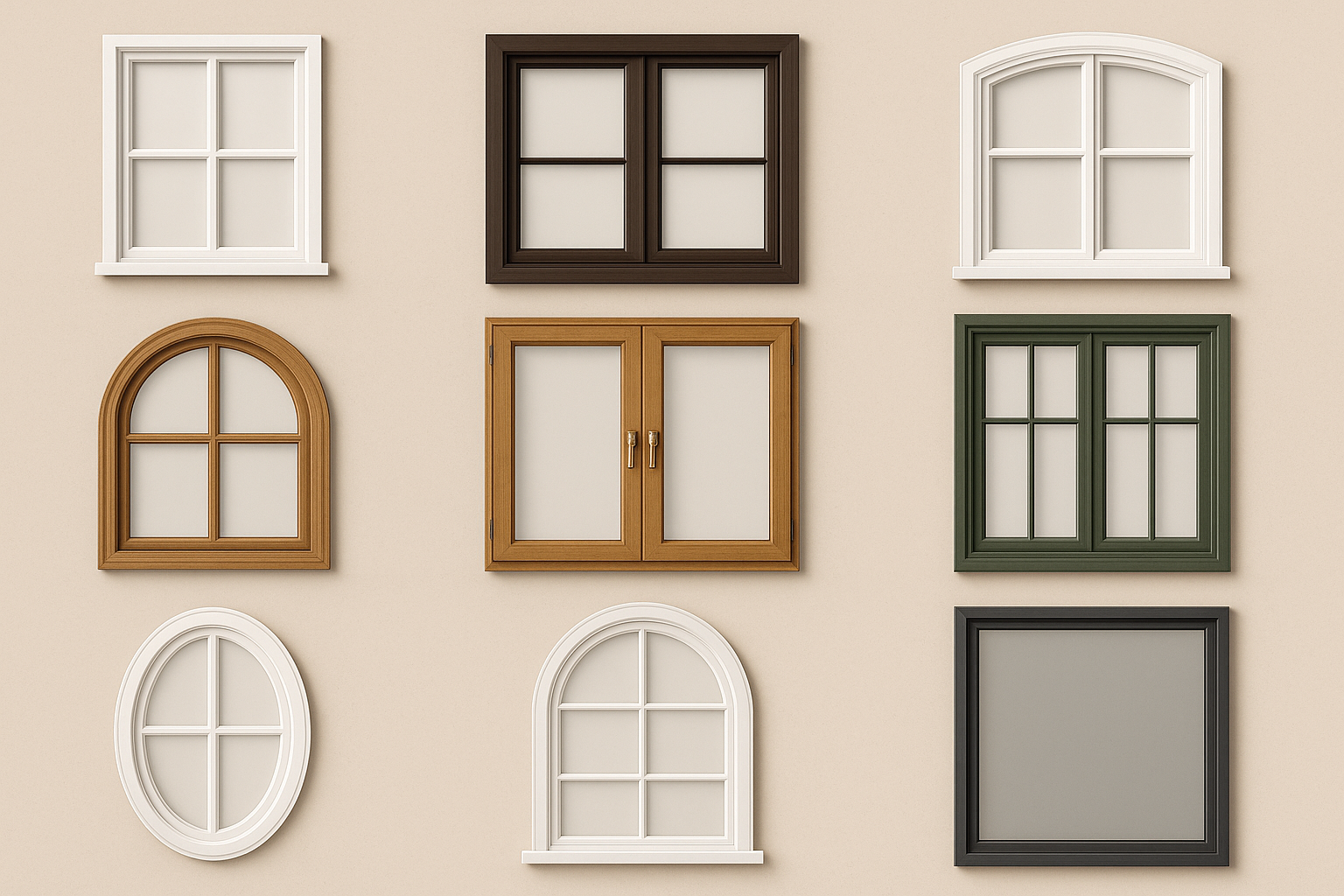
1. Single-Hung Windows
These are one of the most common types found in Florida homes. The bottom sash moves up and down, while the top sash stays fixed. They’re affordable and energy-efficient, making them a popular choice.
2. Double-Hung Windows
Both the top and bottom sashes open, allowing for better ventilation. These are often seen in newer or upgraded homes. They’re easier to clean, but typically cost more than single-hung options.
3. Casement Windows
Casement windows hinge at the side and open outward like a door using a crank. They seal tightly when closed and are great for airflow and energy efficiency. They’re commonly used in areas like kitchens or bathrooms.
4. Horizontal Sliding Windows
These windows slide open left to right, much like a patio door. They’re popular in Florida for their ease of use and good fit in wide spaces. They’re common in both older homes and modern condos.
5. Awning Windows
Hinged at the top and opening outward, awning windows are ideal for letting in air even during a light rain. They’re often placed above doors or in bathrooms for privacy and ventilation.
6. Picture and Fixed Windows
These do not open and are used to maximize natural light and views. You’ll often find them in living rooms or entryways, paired with other operational windows.
What Are Impact Windows?
Impact windows, also known as hurricane or storm windows, are designed to withstand strong winds and flying debris. They’re made with laminated glass—a layer of shatter-resistant plastic (usually polyvinyl butyral or PVB) is sandwiched between two panes of glass.
When struck, impact glass may crack but remains intact, preventing dangerous shards from flying into your home and maintaining the building envelope to reduce structural damage.
Why Impact Windows Are So Important in Florida
1. Hurricane Protection
Florida is hit by hurricanes and tropical storms almost every year. Impact windows help protect your home during extreme weather by preventing wind, rain, and debris from breaching your home.
2. Insurance Discounts
Many Florida insurance companies offer substantial discounts on windstorm policies if you install impact-rated windows, shutters, or other opening protection.
3. Noise Reduction
Because of their multi-layer construction, impact windows significantly reduce outside noise—a great bonus if you live near busy roads or noisy neighborhoods.
4. UV Protection
Impact glass blocks up to 99% of UV rays, which helps protect your furniture, flooring, and artwork from fading in the Florida sun.
5. Security
Impact windows are also harder to break into, giving you added peace of mind against intruders.
How to Know If You Have Impact Windows
Look for:
- A permanent etched mark or label in the corner of the glass indicating compliance with ASTM or Miami-Dade standards.
- A notice of acceptance (NOA) or product sticker from the manufacturer.
- Thicker, heavier frames and glass than standard windows.
If you’re unsure, a local inspector or window professional can verify whether your windows are impact-rated.
Final Thoughts
Florida’s climate demands more from your windows than just a nice view. From energy efficiency to hurricane resistance, the right windows can protect your family, save you money, and add value to your home. While many types of windows can be found across the state, impact windows are quickly becoming the standard—and for good reason.
Whether you’re upgrading or buying, don’t overlook your windows. In Florida, they’re your home’s first line of defense.