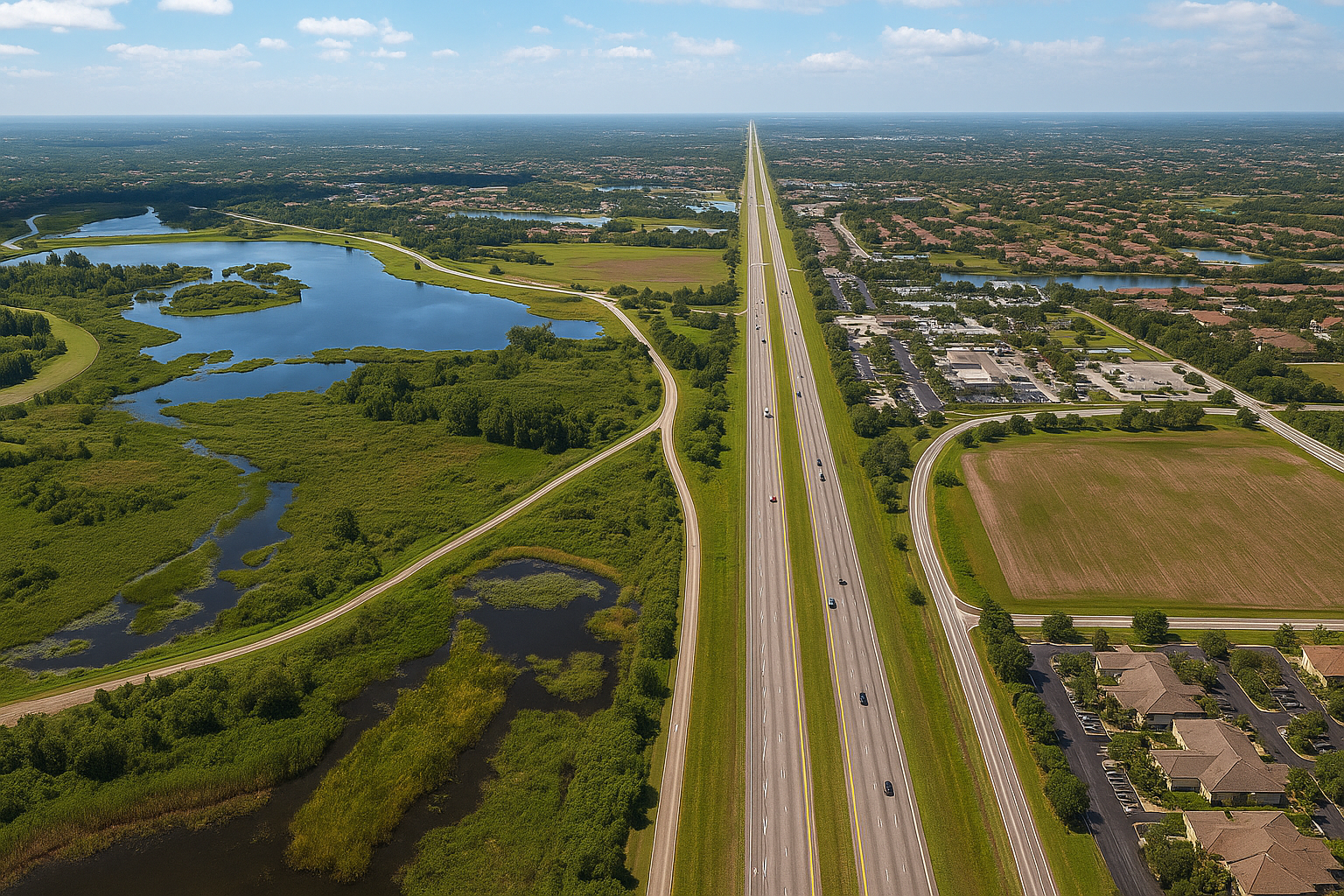
Florida’s landscape is unique—beautiful beaches, lush wetlands, and flat terrain define the state. But one crucial factor often overlooked by homeowners and residents is elevation—a detail that significantly impacts water access, flooding risks, and property planning.
What Is Elevation?
Elevation refers to the height of a location above sea level. In Florida, much of the state is less than 100 feet above sea level, and some coastal areas are just inches above. The average elevation is around 100 feet in the central ridge, but many regions, especially in South Florida, sit under 10 feet.
Why Elevation Matters
Florida’s high water table—the level below ground where soil becomes saturated—makes elevation especially important. The lower your elevation, the closer water is to the surface. This has several implications:
1. Flood Risk
Low elevation areas are more vulnerable to flooding during heavy rains, hurricanes, and storm surges. FEMA’s Flood Maps (https://msc.fema.gov) can help you determine your flood zone and whether flood insurance is recommended or required.
2. Building and Development
At lower elevations, you may face restrictions on building types, foundations, and septic systems. Elevated areas provide better drainage and less risk of property damage.
3. Getting a Well
If you’re considering a private well, elevation affects how deep you’ll need to drill to access clean groundwater. In low-lying areas, shallow wells are common—but they’re more prone to contamination from surface pollutants and saltwater intrusion.
How to Find Your Elevation
You can determine your exact elevation in several ways:
- Google Earth: Enter your address and hover over your location to see elevation data.
- USGS Topographic Maps: Visit USGS.gov for detailed elevation and geological data.
- Local County GIS Maps: Most Florida counties offer free online mapping tools with elevation, flood zone, and zoning data.
Final Thoughts
Understanding your elevation in Florida is more than a topographic curiosity—it’s a critical factor for homeowners, builders, and residents. It impacts your risk of flooding, the success of your well, and the safety of your investment. Before buying property or making improvements, take time to learn your elevation and what it means for your water access, insurance, and peace of mind.