Living in Florida means sunshine, sandy beaches—and the reality of hurricane season. While you can’t control the storms, you can control how well your home is protected. One of the smartest investments Florida homeowners can make is installing hurricane coverings or shutters—not just for safety, but also for insurance savings.
But not all hurricane protection is created equal. From plywood to impact glass, your choice can affect everything from storm preparedness to your insurance premium.
Here’s what you need to know.
Why Hurricane Coverings Matter
Hurricane shutters and coverings are your home’s first line of defense against flying debris and wind damage. Windows and doors are particularly vulnerable during a storm. Once they’re breached, pressure builds inside the home—often leading to catastrophic roof or structural failure.
Proper hurricane protection helps prevent that. And insurance companies know it—which is why they often offer premium discounts for homes with approved protection systems.
Common Types of Hurricane Coverings
1. Accordion Shutters
- Pros: Permanently attached, easy to deploy (no tools required), one-person operation.
- Cons: Can be bulky or visually unappealing when not in use.
- Insurance Impact: Approved models often qualify for significant discounts.
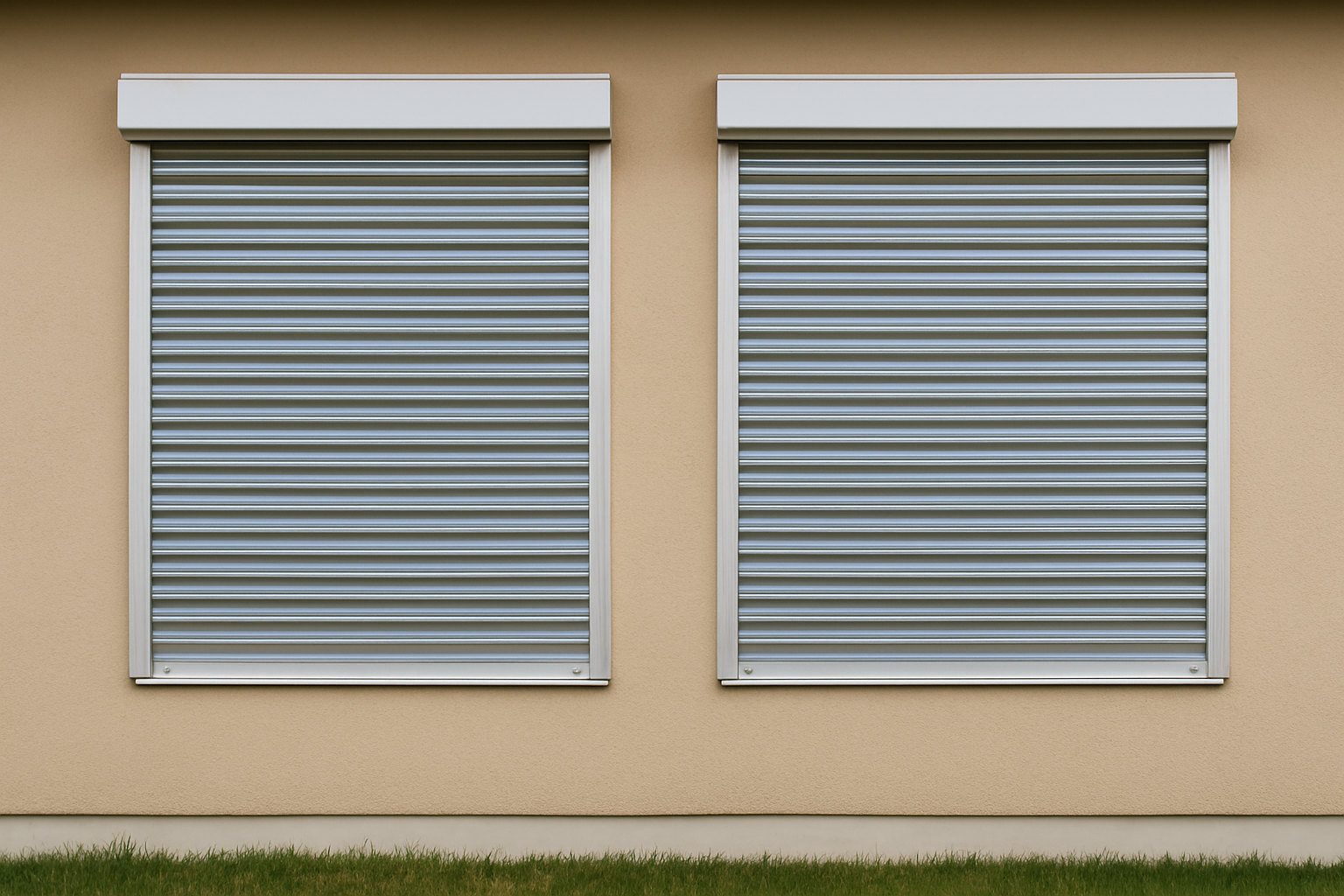
2. Roll-Down Shutters
- Pros: Motorized or manual, very convenient, high level of protection.
- Cons: More expensive to install, require maintenance.
- Insurance Impact: High approval rating, especially for homes near the coast.
3. Storm Panels (Aluminum or Polycarbonate)
- Pros: Affordable, strong, removable.
- Cons: Labor-intensive to install before each storm, storage needed.
- Insurance Impact: Qualify for discounts if all openings can be covered.
4. Bahama Shutters
- Pros: Double as decorative shade, permanent installation, quick deployment.
- Cons: Limited visibility when closed, not always rated for strongest storms unless reinforced.
- Insurance Impact: Can qualify for discounts if properly rated and permitted.
5. Colonial Shutters
- Pros: Attractive, permanently installed, easy to close.
- Cons: More decorative, may need additional hardware to be fully storm-rated.
- Insurance Impact: May qualify depending on strength rating and coverage.
6. Impact-Resistant Windows and Doors (Laminated Glass)
- Pros: Always in place, no prep needed, aesthetically seamless.
- Cons: Higher upfront cost, must be certified.
- Insurance Impact: Often earns the highest discounts when all openings are protected.
7. Plywood (Not Insurance-Approved)
- Pros: Inexpensive short-term option.
- Cons: Labor-intensive, weak compared to rated systems, no insurance benefit.
- Insurance Impact: Does not qualify for discounts—viewed as temporary and unreliable.
What Insurance Companies Look For
To qualify for insurance discounts, your hurricane protection must meet specific standards—usually the Florida Building Code or the Miami-Dade County product approval rating. Key requirements:
- All openings (windows, entry doors, sliding glass doors, garage doors) must be protected with rated coverings.
- Proof of compliance is typically required—a wind mitigation inspection report is used to verify your home’s protection level.
- Some insurers offer additional discounts for roof-to-wall connectors or reinforced garage doors.
💡 Pro Tip: Ask your insurance agent for a list of required documentation and schedule a wind mitigation inspection after installation.
Final Thoughts: Protection Pays Off
Hurricane shutters and coverings are more than a storm-season checklist item—they’re an investment in your safety, peace of mind, and financial stability. The right system can add value to your home and lower your insurance premium by hundreds—or even thousands—of dollars annually.
So whether you’re retrofitting an older home or building a new one, don’t just ask “What’s cheapest?” Ask: “What will truly protect us—and what does my insurance company recognize?”
Want to know what systems qualify for discounts on your home?
Let’s walk through your options, costs, and the insurance impact so you can make the best decision for your family and your future.