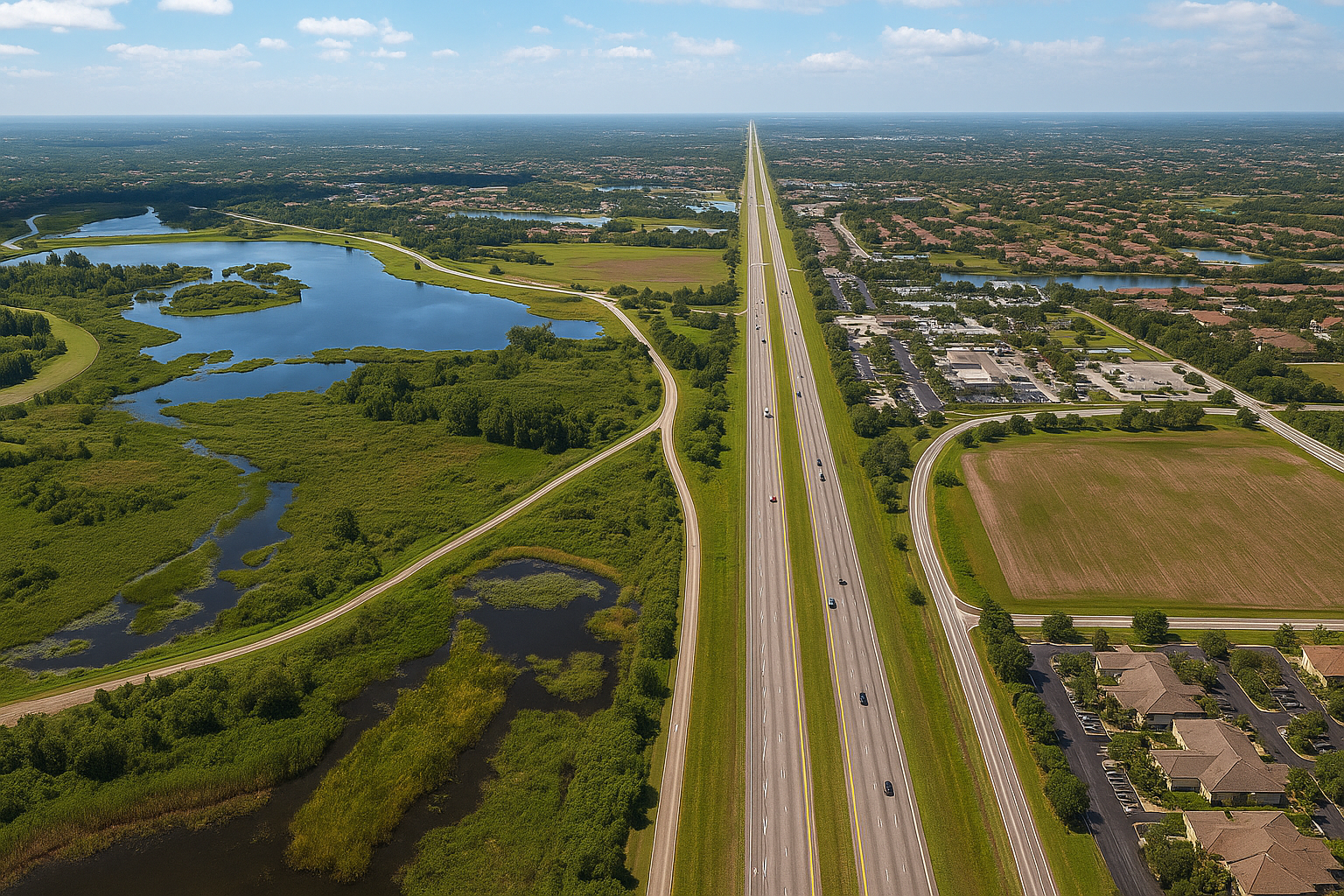
Purchasing land in Florida can be a smart investment—whether you’re planning to build your dream home, start a business, or hold it for future development. But before you sign the contract or put down your deposit, it’s crucial to understand what lies beneath (and around) that seemingly perfect piece of land. In Florida’s unique environment—filled with wetlands, high water tables, and hurricane risk—due diligence through proper inspections is non-negotiable.
Here’s a breakdown of the key inspections and reports you should consider when buying land in Florida—and why each one matters.
1. Boundary and Land Survey
A boundary survey identifies the exact property lines, corners, and dimensions of the land. It will also show any easements, encroachments, or right-of-way issues.
Why it’s important:
- Ensures you know what you’re actually buying
- Confirms the lot size for zoning/building compliance
- Protects against future disputes with neighbors or utilities
💡 Tip: Always hire a licensed Florida surveyor and request an updated survey, especially if the current one is older than a year.
2. Environmental Assessment (Phase I ESA)
This inspection checks for the presence of environmental contamination, such as buried fuel tanks, hazardous waste, or prior industrial use.
Why it’s important:
- Required for commercial properties or financing through certain lenders
- Identifies costly environmental cleanup liabilities
- Protects your investment and health
3. Wetlands Determination
Florida has thousands of acres of protected wetlands. A wetlands delineation survey identifies if any portion of the property is classified as a wetland by the Florida Department of Environmental Protection (FDEP) or Army Corps of Engineers.
Why it’s important:
- Wetlands often come with building restrictions or permitting requirements
- Protects against unexpected development limits or fines
- Helps determine buildable vs. non-buildable land
4. Soil and Perc Test
A soil test (or geotechnical study) determines the stability, composition, and drainage capabilities of the land. A percolation (perc) test assesses whether the soil can support a septic system.
Why it’s important:
- Essential if your property is in a rural area without city sewer
- Confirms suitability for foundations, driveways, and stormwater management
- Identifies the need for fill, drainage, or engineered solutions
5. Flood Zone and Elevation Certificate
Use FEMA maps and a licensed surveyor to find out if your property lies in a flood zone and what the base flood elevation (BFE) is.
Why it’s important:
- Affects your ability to build, your design options (e.g., raised foundations), and your flood insurance costs
- Required for most construction permits in high-risk zones
6. Zoning and Land Use Verification
Although not a traditional “inspection,” verifying local zoning designations and future land use through the city or county is critical.
Why it’s important:
- Ensures the land can be used for your intended purpose (residential, commercial, agricultural, etc.)
- Identifies setbacks, height restrictions, and permitted uses
- Reveals any upcoming zoning changes that could affect value or usability
7. Access and Utility Inspection
Inspect for legal and physical access to the property and verify availability of essential utilities like water, sewer, electricity, and internet.
Why it’s important:
- Landlocked parcels or easement disputes can delay or block development
- Cost of extending utilities can be significant if connections are not nearby
Optional But Recommended:
- Archaeological/Heritage Survey (if in historical zones or near protected sites)
- Tree and Vegetation Survey (to assess protected species or vegetation removal restrictions)
- Wildlife Habitat Inspection (especially in rural or undeveloped areas, for gopher tortoises or other protected species)
Final Thoughts
Buying land in Florida offers big opportunities—but it also comes with unique risks. Without proper inspections, you could end up owning land that’s unbuildable, restricted, or costly to develop.
Before closing, work with a real estate attorney, a licensed surveyor, and local government agencies to complete your due diligence. With the right inspections in hand, you’ll be able to move forward with clarity, confidence, and control.